Notes from a Board-Certified Plastic Surgeon
Facelift Scars: Where the Incision Goes Makes the Difference | AVA Plastic Surgery, Sinsa Station
A facelift scar depends first on where the incision is placed, and only then on how finely it is stitched.
2026-10-06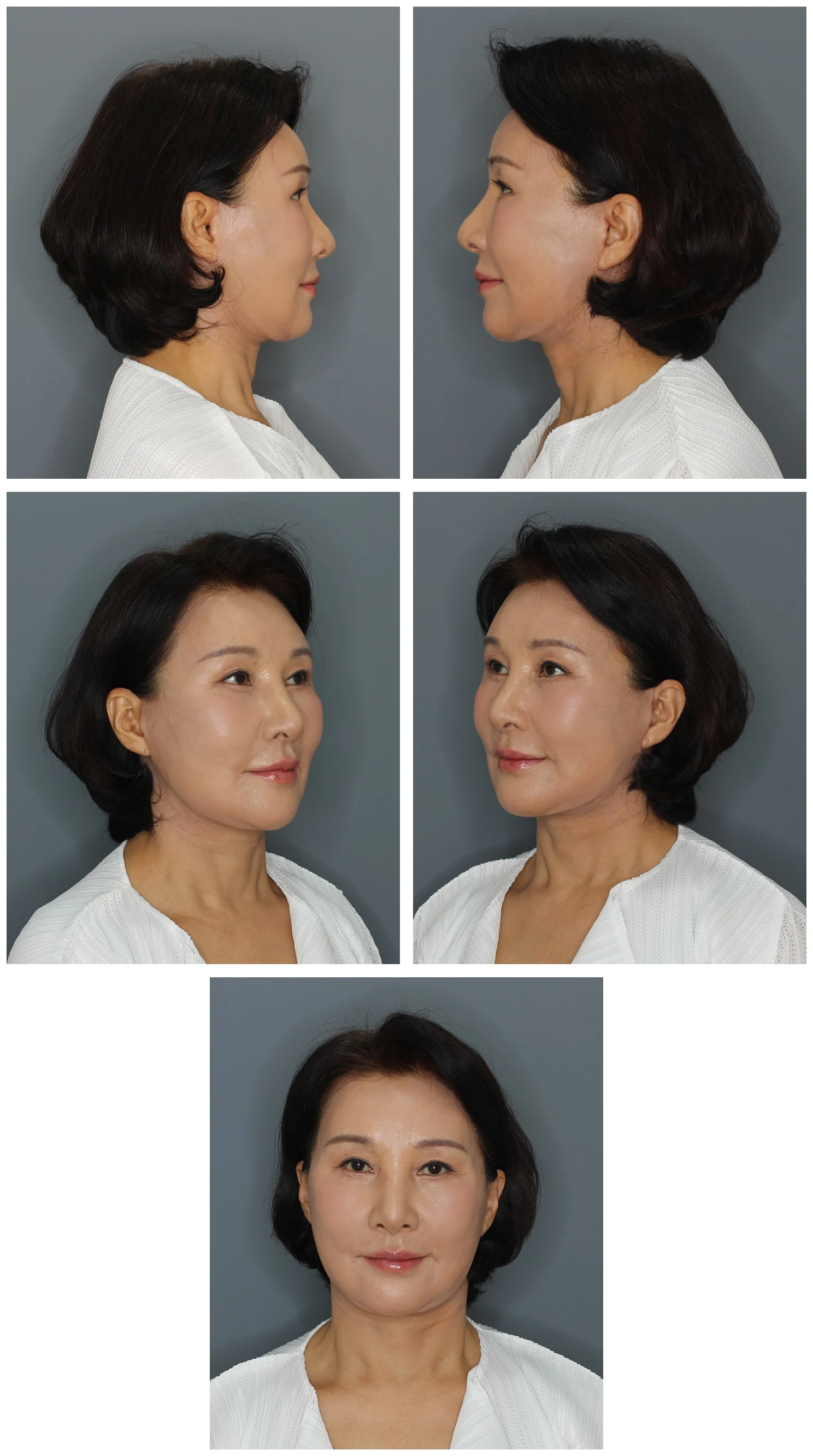
Why I Performed a Deep-Plane Facelift & Eyelid Surgery on My Own Mother — 2-Month Recovery Log
Board-certified plastic surgeon Dr. Seungsoo Kim shares the pre-operative evaluation, surgical plan, and unretouched 6-week and 2-month recovery photos from performing a deep-plane facelift and upper/lower eyelid rejuvenation on his own mother.
2026-10-06
Forehead Lift — It Isn't Your Eyelids That Sagged, It's Your Eyebrows That Came Down
Many "droopy eyelids" are actually eyebrows that have descended. Board-certified plastic surgeon Dr. Seungsoo Kim explains why eyelid incision alone can create a heavy, crowded look—and why an endoscopic forehead lift solves sagging at its root.
2026-09-21
Upper Blepharoplasty, Sub-Brow Lift, Forehead Lift & Double Eyelid: Which Combination Fits Your Eyes?
Upper eyelid sagging is rarely solved by a single one-size-fits-all incision. Dr. Seungsoo Kim explains the ideal 3-step anatomical sequence—Forehead Lift, Sub-Brow Lift, and Double Eyelid—and how to choose the right combination.
2026-09-20
Why Do Eyes Droop from the Outside First? Lateral Hooding and the Sub-Brow Lift
Even as the entire face ages, the outer corner of the upper eyelid is always the first to collapse. Dr. Seungsoo Kim explains the 3 stages of lateral hooding and why the definitive fix sits directly beneath the eyebrow.
2026-09-19
Lower Blepharoplasty vs. Under-Eye Fat Repositioning — Why the Mid-30s Is the Dividing Line
Should you choose transconjunctival under-eye fat repositioning or an incisional lower blepharoplasty? Dr. Seungsoo Kim explains how skin laxity and retaining ligament release decide the right procedure.
2026-09-18
Ptosis Self-Check & Clinical Measurement — MRD1, Levator Function, and When to Correct
Sleepy-looking eyes are often caused by weak eyelid-opening muscles (blepharoptosis) rather than excess skin alone. Learn Dr. Seungsoo Kim's 7-point self-check and how MRD1 and levator excursion measurements guide precision ptosis repair.
2026-09-17Facelift Revision ① Pixie Ear. Why It Happens, and How to Correct It (Explained by a Plastic Surgeon)
When the earlobe gets pulled downward and distorted, it's called a "pixie ear." It's one of the most common disappointments that can show up after a facelift. This is the first post in a series on facelift revision, covering why pixie ear happens and how it can be corrected, from a plastic surgeon's perspective.
2026-09-16Facelift Revision ② Widened Scars: Why Does Cutting Out the Scar Alone Make It Bigger? (Explained by a Plastic Surgeon)
The root cause of a widened scar after facelift surgery is tension on the skin. If that tension is left unaddressed and only the skin is re-cut and closed, the exact same tension lands on the new incision line.
2026-09-15
Why a Long Philtrum Makes the Face Look Older — Facial Proportions & Smile Dynamics
An elongated midface ages the face faster than almost any other feature—and perceived midface length is governed by the philtrum. Dr. Seungsoo Kim explains ideal facial thirds (1:1:0.85) and why upper tooth show transforms your expression.
2026-09-14
Under-Eye Fat Repositioning 101: Benefits, Transconjunctival Technique, Recovery & Precautions
Puffy under-eye bags and dark tear troughs stem from herniated orbital fat. Dr. Seungsoo Kim walks through how transconjunctival under-eye fat repositioning smooths hollows without external scars.
2026-09-13
How Long Does a Thread Lift Last? Two Critical Factors Decide It
Why do some thread lifts fade in weeks while others hold for well over a year? Dr. Seungsoo Kim explains 360° 3D helical cog architecture vs 2D threads, and why heavy facial tissues require combining micro-liposuction for SMAS plane re-adhesion.
2026-09-12
Nasolabial Folds: Should You Fill with Filler or Lift Back into Place? (3-Stage Guide)
Nasolabial folds are not just a surface line—they are a 3D step-off between descending cheek fat and a sunken crease. Dr. Seungsoo Kim breaks down his 3-stage approach from targeted filler to micro-liposuction and deep-plane facelift.
2026-09-11Dr. Seungsoo Kim’s Facelift 101: Effects, Surgical Method, Recovery, and How is it different from Non-surgical Lifting Procedure
Facelift surgery repositions and fixes the sagging SMAS/deep tissue layers, allowing the skin to be re-shaped without unnatural tension. Therefore, the goal of facelift surgery should be about restoring tissue to its natural position rather than aggressive pulling.
2026-09-10
Philtrum Reduction (Bullhorn Lip Lift) — Where the Scar Hides and What Actually Gets Shortened
A long upper lip reads as age, yet every patient worries about a visible scar under the nose. Dr. Seungsoo Kim explains bullhorn nasal-sill incision concealment, deep muscular anchoring, and realistic healing timelines.
2026-09-09
From First Message to Surgery Day — How an Overseas Consultation at AVA Actually Works
Choosing a plastic surgery clinic in Seoul from abroad means trusting a process before you board the plane. Here is AVA's 6-step international patient journey—from WhatsApp/Zoom evaluation to 1-on-1 surgery with Dr. Seungsoo Kim.
2026-09-08
A Deep-Plane Facelift in Seoul — What a Realistic 12-Day Trip Looks Like
How many days do you really need in Seoul for a deep-plane facelift? Dr. Seungsoo Kim shares a realistic day-by-day 12-night itinerary covering arrival, consultation, surgery, swelling peak, stitch removal, and flying home.
2026-09-07
When Can I Fly Home After Plastic Surgery in Korea? Procedure-by-Procedure Guide
From non-incisional eyelid surgery (Day 4–5) to upper/lower blepharoplasty (Day 7) and deep-plane facelift (Day 10–12): Dr. Seungsoo Kim's procedure-by-procedure flight clearance guide.
2026-09-06
Ultherapy vs. Thermage FLX — Different Anatomical Depths, Different Jobs
Ultherapy delivers focused ultrasound heat to the 4.5mm SMAS fascia to lift sagging contours; Thermage FLX delivers monopolar radiofrequency to the dermis to tighten skin texture. Dr. Seungsoo Kim explains which face needs which—and where surgery takes over.
2026-09-05